
It’s one of the most common questions homeowners ask during the building process - what happens if you change your mind after your pre-start meeting?
The short answer is yes, changes can sometimes still be made. However, once your selections, layouts, and documentation have been finalised and passed into construction preparation, any changes become more complex, more time-sensitive, and often more expensive.
Understanding how this stage works can help you avoid unnecessary variation costs and delays.

What
Happens After Pre-Start
After your pre-start meeting, your builder begins progressing your project into the next stage of construction preparation.
This includes:
- Finalising documentation
- Confirming selections and specifications
- Scheduling works and orders
- Locking in design decisions for construction teams
At this point, your home is effectively moving from “design phase” into “build phase,” even if construction hasn’t physically started yet.
Because of this shift, any changes made after pre-start need to go through a formal variation process.
How
Changes Are Managed
Post pre-start changes are typically handled as variations through your builder.
This process usually involves:
- Reviewing your requested change
- Assessing feasibility within your existing plans
- Updating drawings or specifications
- Providing revised pricing and approvals
Depending on the complexity of the change, it may also affect timelines, sequencing, or other related selections already confirmed.
Even small adjustments can require multiple internal steps once construction preparation has begun.
What It
May Cost
The cost of post pre-start changes can vary significantly depending on what is being altered.
In most cases, variations may include:
- Builder variation or administration fees
- Design or drafting updates
- Labour adjustments for rework
- Material changes or reordering costs
- Knock-on costs to related selections
Even minor changes can accumulate costs once selections have been finalised and processed into construction workflows.
This is why making confident, well-informed decisions at pre-start is so important - it reduces the likelihood of expensive changes later.
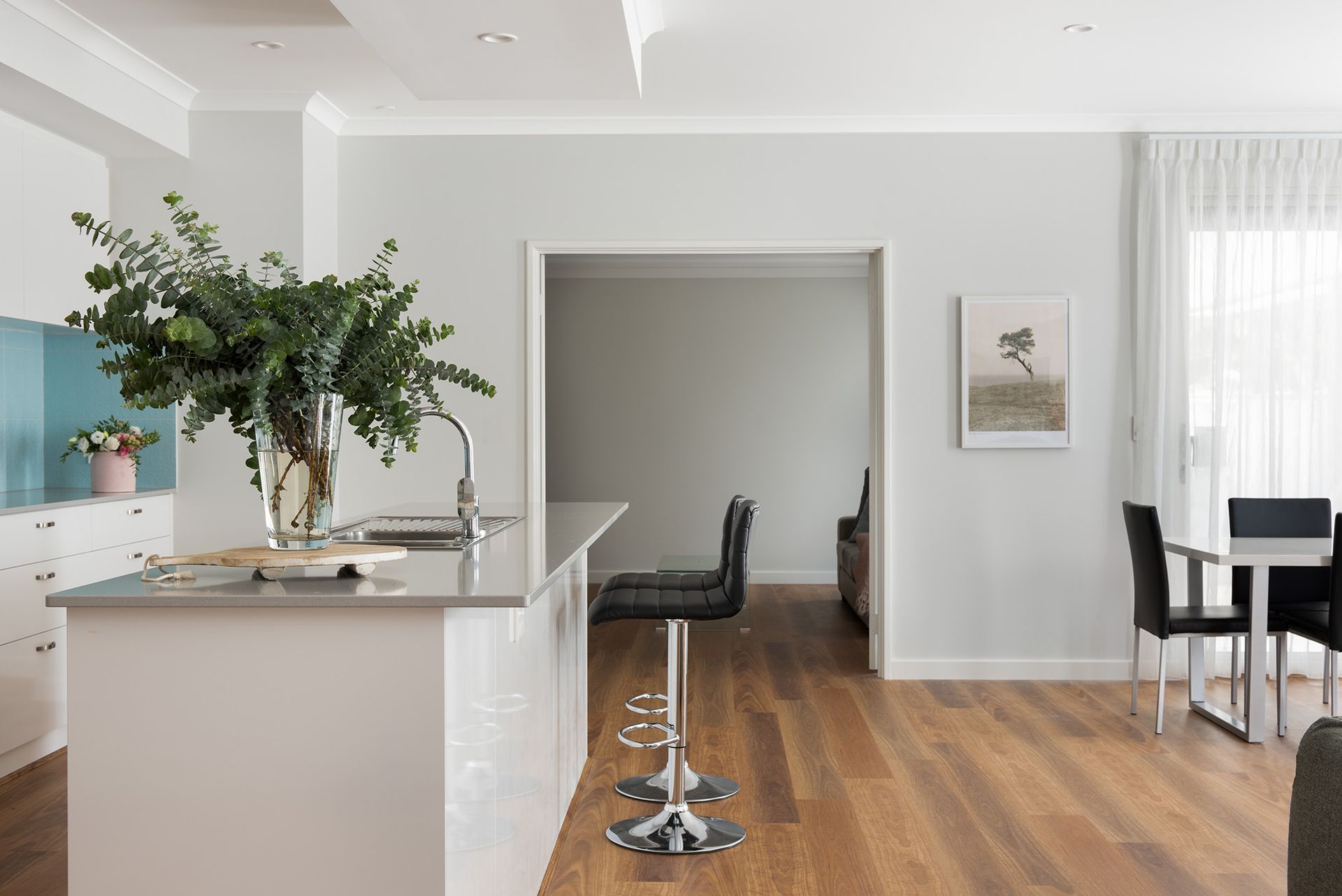
Yes, changes after pre-start are possible - but they are rarely simple, and they often come with added cost, time, and complexity.
The key is not just knowing that changes are possible, but understanding the impact they can have once your build is underway.
At Happy House Co., we help WA homeowners make confident decisions before pre-start so they can avoid unnecessary variations, delays, and stress later in the process. By planning ahead, you ensure your selections align with your lifestyle, budget, and build requirements from the beginning.
Instead of reacting to changes after the fact, you move through pre-start with clarity and a plan you can trust.
If you’re preparing for your pre-start meeting and want expert guidance, book a discovery call with Happy House Co.